 Rack Server Supplier
 Rack Server Supplier
大量の Dell PowerEdge R760 Server 製品が必要な場合は、フリーダイヤル Whatsapp: (+86) 178-3212-0331 までお電話いただくか、ライブチャットでお見積もりをご依頼ください。担当営業マネージャーがすぐにご連絡いたします。
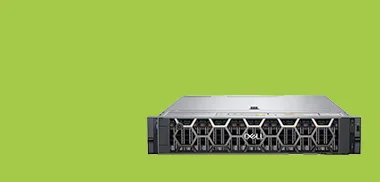
High-Density Dell PowerEdge R760 Server | 24-Bay NVMe & SSD Hybrid Configuration
Keywords
PowerEdge R760, 24-bay server chassis, Dual Xeon 6526Y, 768GB DDR5 memory, H755 RAID controller, dual 10GbE port NIC, four-port 1GbE NIC, iDRAC9 enterprise, 2400W redundant PSU
Description
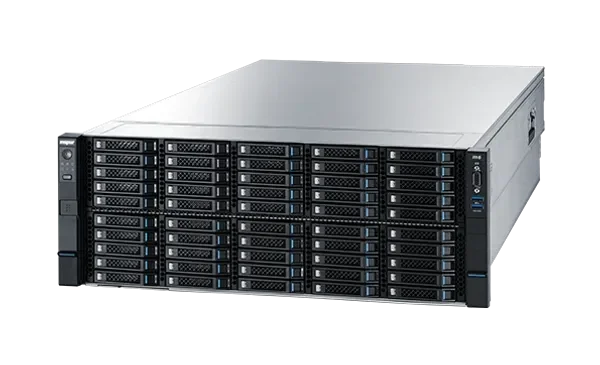
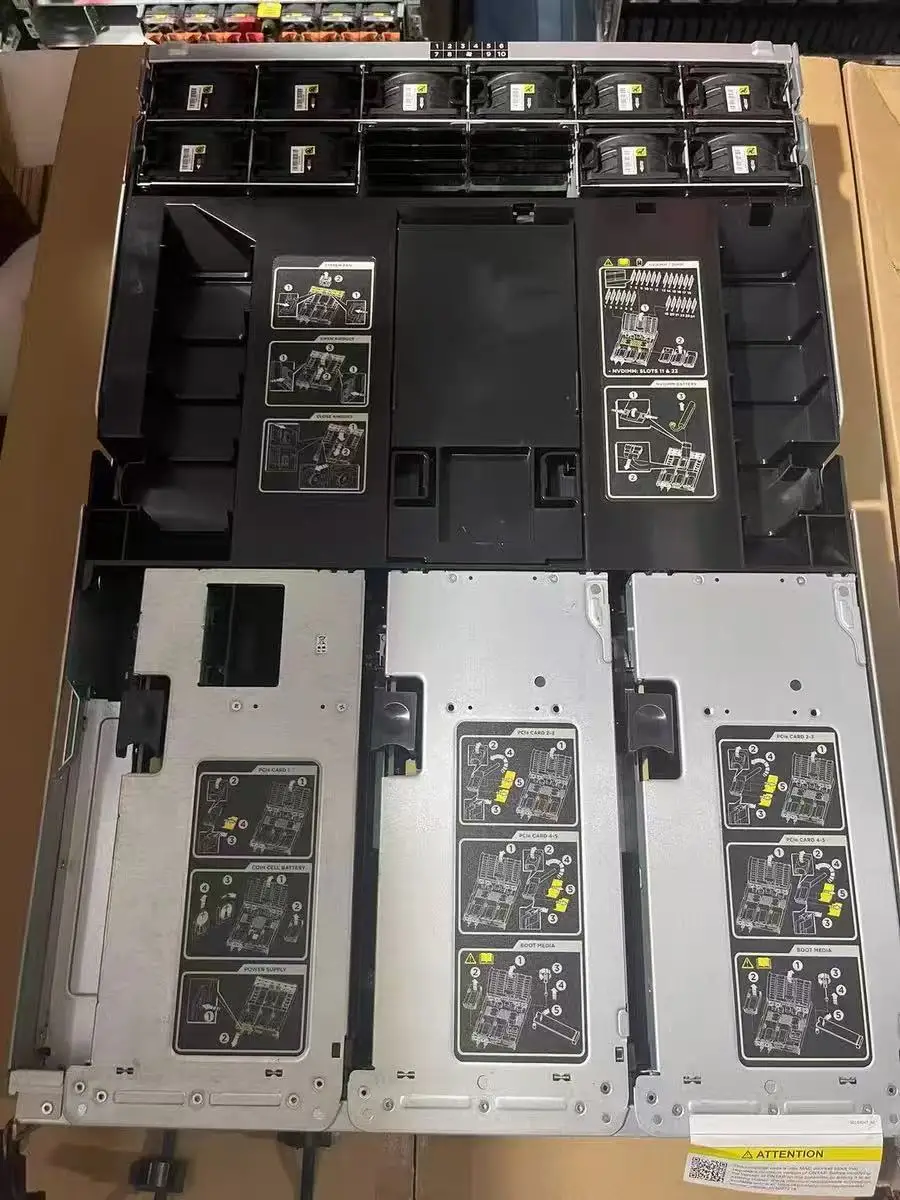
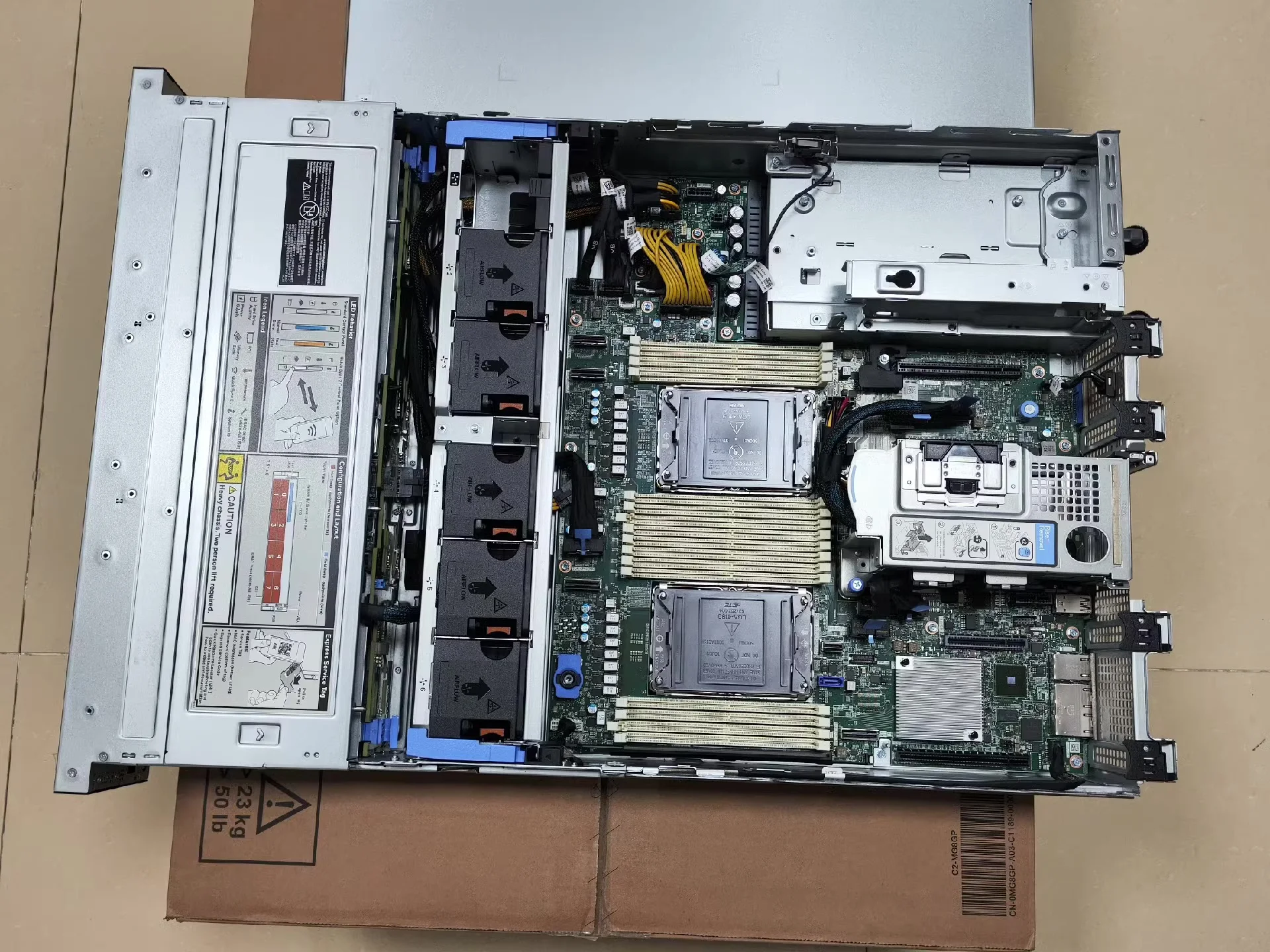
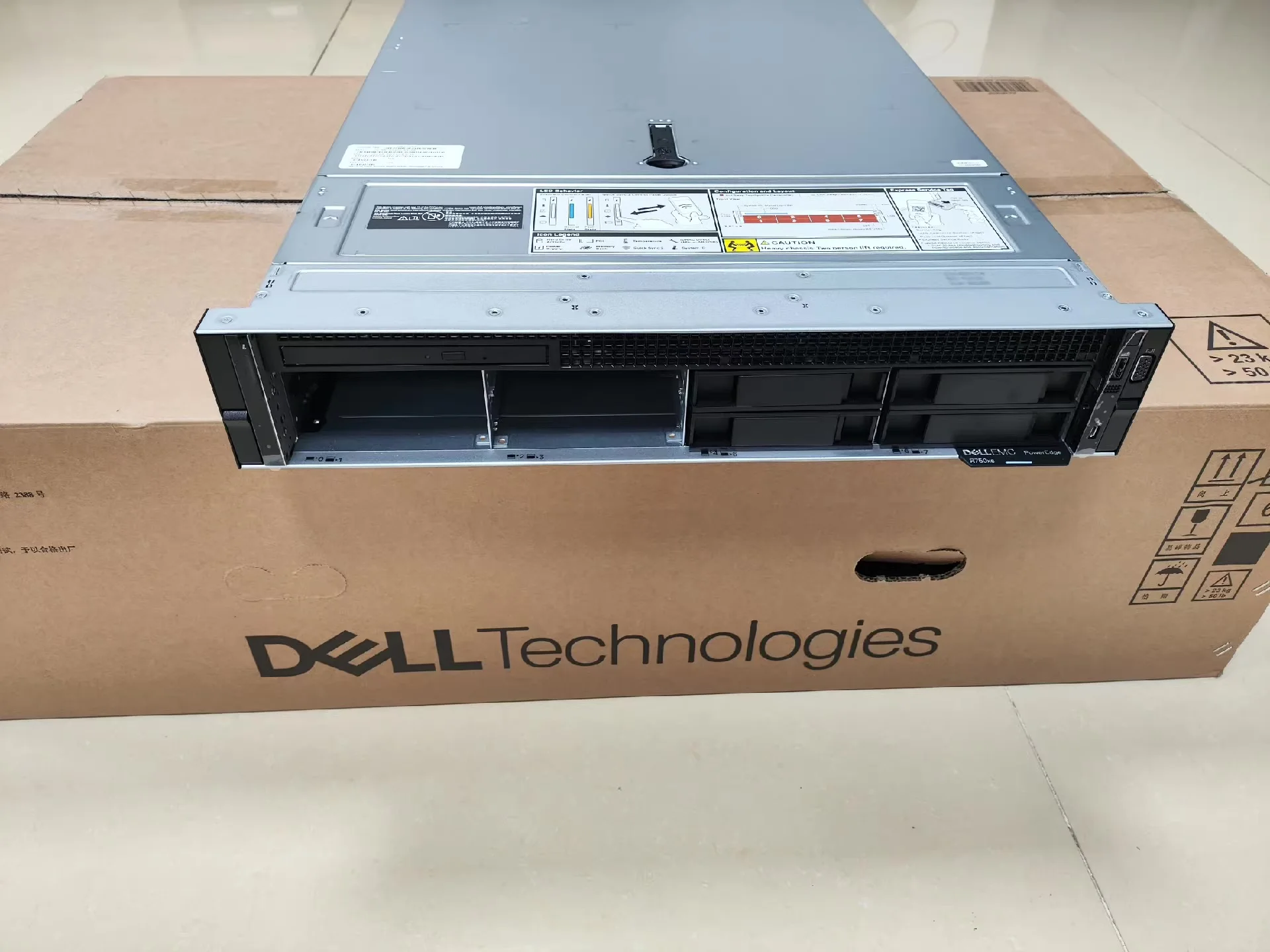
The PowerEdge R760 is Dell’s next-generation 2U, two-socket rack server platform, tailored for demanding enterprise tasks such as virtualization, databases, AI inference, and heavy storage workloads. This configuration delivers **24 drive bays**, combining **NVMe and SSD** storage, making it ideal for high-throughput, low-latency applications.
Equipped with **dual Intel Xeon 6526Y** processors (16 cores each, base 2.8 GHz, combined 32 cores at 5.6 GHz turbo), this server strikes a balance between core density and frequency. The **768 GB DDR5 memory** (12 × 64 GB modules) ensures that in-memory databases, caching layers, or virtualization hosts operate with ample headroom.
For storage, this setup uses **8 × 3.2 TB NVMe** drives for ultra-fast I/O paths, plus **4 × 480 GB SSDs** and **6 × 2.4 TB SSDs** configured behind a **PERC H755 RAID controller**, giving both performance and redundancy. Network connectivity is handled by a dual-port 10 GbE NIC (57414), plus a four-port 1 GbE NIC (5270), ensuring broad bandwidth for data traffic and cluster link connectivity.
Remote management and monitoring is enabled via **iDRAC9 Enterprise**, and the system is powered by **dual 2400 W redundant power supplies**, ensuring resilience in mission-critical environments. Rail kits and standard accessories complete the setup. In summary, this configuration is engineered for high capacity, high performance, and enterprise reliability.
Key Features
- Dual Intel Xeon 6526Y CPUs, 16 cores each, up to 5.6 GHz combined turbo
- 768 GB DDR5 ECC memory (12 × 64 GB modules)
- 24-bay chassis with hybrid NVMe + SSD support
- 8 × 3.2 TB NVMe (high throughput), plus 4 × 480 GB SSD + 6 × 2.4 TB SSD for mixed workloads
- PERC H755 RAID controller for robust data integrity and performance
- Dual-port 10 GbE NIC (57414) + four-port 1 GbE NIC (5270) for network flexibility
- iDRAC9 Enterprise for out-of-band management and monitoring
- Dual 2400 W hot-swap redundant power supplies for fault tolerance
Configuration
| Component | Specification |
|---|---|
| Model | Dell PowerEdge R760 (24-bay chassis) |
| Processors | 2 × Intel Xeon 6526Y (16 cores @ 2.8 GHz base) — up to 32 cores / 5.6 GHz turbo combined |
| Memory | 768 GB DDR5 ECC (12 × 64 GB) |
| NVMe Storage | 8 × 3.2 TB NVMe |
| SSD Storage | 4 × 480 GB SSD + 6 × 2.4 TB SSD |
| RAID Controller | PERC H755 |
| Network Interface Cards | 1 × dual-port 10 GbE (57414), 1 × quad-port 1 GbE (5270) |
| Management | iDRAC9 Enterprise |
| Power Supply | 2 × 2400 W redundant (hot-swappable) |
| Accessories | Rail kit, bezel, cabling |
Compatibility
This system supports standard enterprise operating systems including Microsoft Windows Server, Red Hat Enterprise Linux, SUSE Linux Enterprise Server, VMware ESXi, Ubuntu LTS, and other Linux distributions. It also supports typical enterprise virtualization stacks and container platforms.
Storage compatibility extends to NVMe Gen4 U.2 / U.3 devices, SAS/SATA SSDs and HDDs. The PERC H755 controller supports a mix of SSD and NVMe devices. The NICs (10 GbE and 1 GbE) are compatible with common switches and routers in data centers. iDRAC9 works with Dell OpenManage tools and SNMP for integrated management.
Usage Scenarios
This high-density configuration is ideal for virtualization clusters (e.g. VMware, Hyper-V) where many VMs share high I/O storage. The combination of NVMe and SSD ensures that hot data enjoys extremely low latency while colder data is still stored securely.
Database servers (e.g. SQL, PostgreSQL) benefit from the fast NVMe layer for transaction logs or indexes, while the SSD pool handles larger table storage. In analytics, caching, or in-memory workloads, the 768 GB memory capacity helps guarantee that working sets stay resident in RAM.
It is also suited for hybrid cloud or private cloud infrastructures, where network throughput requirements demand both 10 GbE and 1 GbE connections. The redundancy in power and I/O ensures business continuity in mission-critical deployments.
Use in AI inference or HPC environments is possible—though for GPU acceleration, check slot compatibility and thermal budget. Even without accelerators, the compute and memory specs support many compute-intensive applications.
Frequently Asked Questions (FAQs)
1. Can this R760 setup support GPU cards or accelerators?
Yes, the Dell R760 supports GPU / accelerator options (double-width or single-width) depending on riser configuration and cooling. You must verify that your selected chassis configuration has adequate space, cooling, and power budget before installing GPUs.
2. How is the NVMe + SSD mix typically configured for performance?
In such mixed storage setups, NVMe drives often host the highest I/O, latency-sensitive data (e.g. logs, cache, indexes), while the SSDs (480 GB and 2.4 TB) house bulk storage or less performance-critical data. The PERC H755 controller can manage multiple tiers and caching strategies.
3. What happens if one power supply fails?
Because this configuration uses **dual 2400 W redundant power supplies**, the server continues running even if one unit fails, provided the remaining supply can handle the load (which in this build it should). The faulty PSU can be hot-swapped without downtime.
4. Is 768 GB enough memory for virtualization or database workloads?
For many enterprise virtualization or database deployments, 768 GB is more than sufficient, especially when combined with fast NVMe storage. However, if your workload requires very large in-memory datasets, you may scale further (if your BIOS and platform support higher capacity) depending on vendor specifications.
この商品に関連する製品
 おすすめ
おすすめ
-
XFusion G5500V7 / 8468*2 / 32G 5600 *4 /1.92T *... - 品番: XFusion G5500V7...
- 在庫状況:In Stock
- 状態:新品
- 定価:$56,666.00
- 販売価格: $53,622.00
- 節約額 $3,044.00
- 今すぐチャット メールを送信
 おすすめ
おすすめ
-
Dell PowerEdge R770 ミッション クリティカル ラック サーバー、デュアル Int... - 品番: Dell PowerEdge R770...
- 在庫状況:In Stock
- 状態:新品
- 定価:$98,999.00
- 販売価格: $85,657.00
- 節約額 $13,342.00
- 今すぐチャット メールを送信
 おすすめ
おすすめ
-
Dell PowerEdge R770 ミッション クリティカル ラック サーバー、デュアル Int... - 品番: Dell PowerEdge R770...
- 在庫状況:In Stock
- 状態:新品
- 定価:$54,999.00
- 販売価格: $51,627.00
- 節約額 $3,372.00
- 今すぐチャット メールを送信
 おすすめ
おすすめ
-
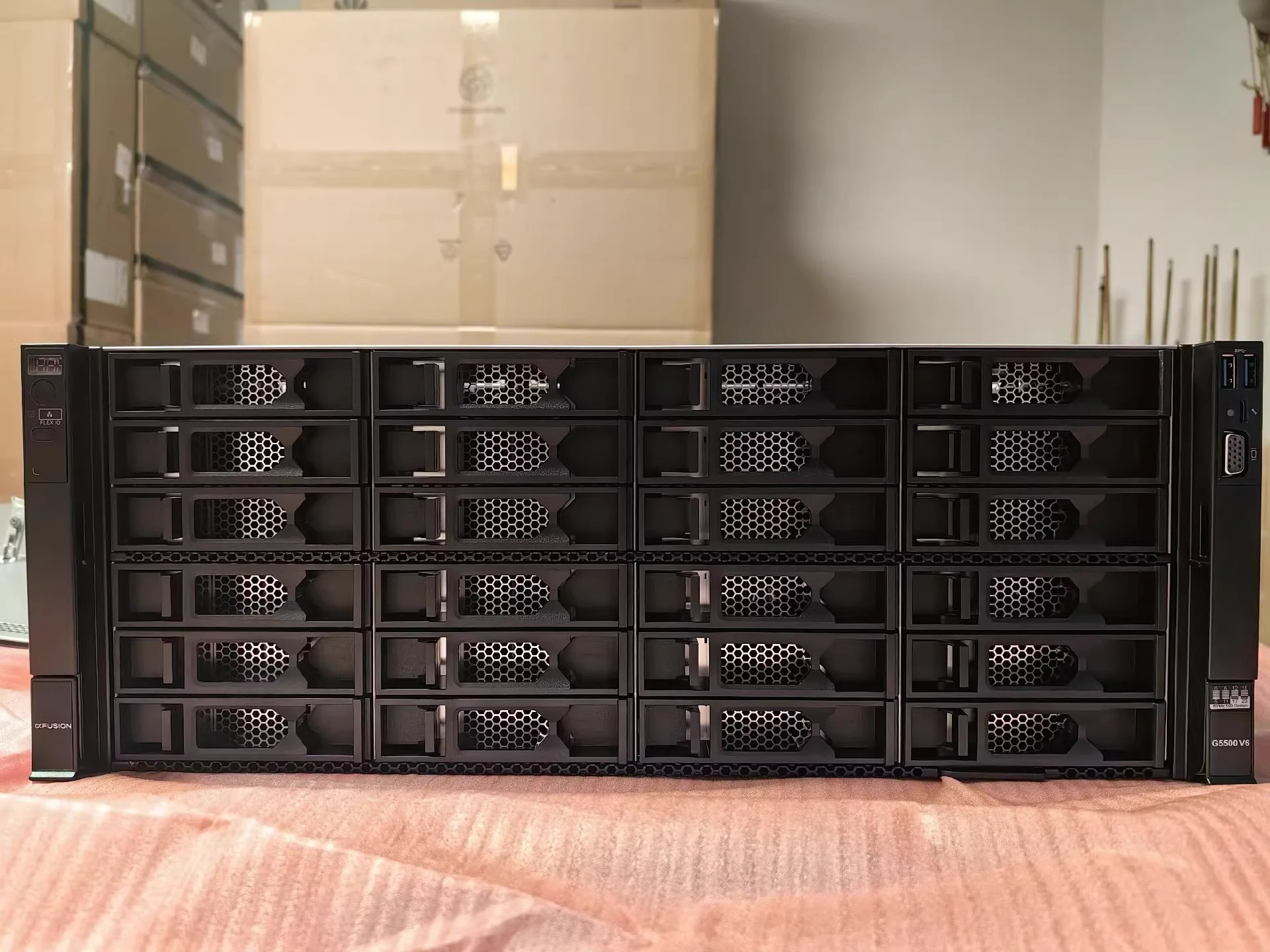
デュアル Intel Xeon Gold 6330、8 × NVIDIA A800 80GB SXM... - 品番: xFusion G5500 V6...
- 在庫状況:In Stock
- 状態:新品
- 定価:$102,000.00
- 販売価格: $98,165.00
- 節約額 $3,835.00
- 今すぐチャット メールを送信
 おすすめ
おすすめ
-
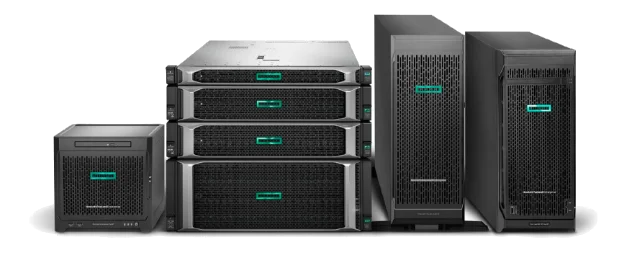
HPE ProLiant DL380 Gen11 2U ラックサーバー、デュアル Intel Xeo... - 品番: HPE ProLiant DL380 G...
- 在庫状況:In Stock
- 状態:新品
- 定価:$28,999.00
- 販売価格: $25,300.00
- 節約額 $3,699.00
- 今すぐチャット メールを送信
 おすすめ
おすすめ
-
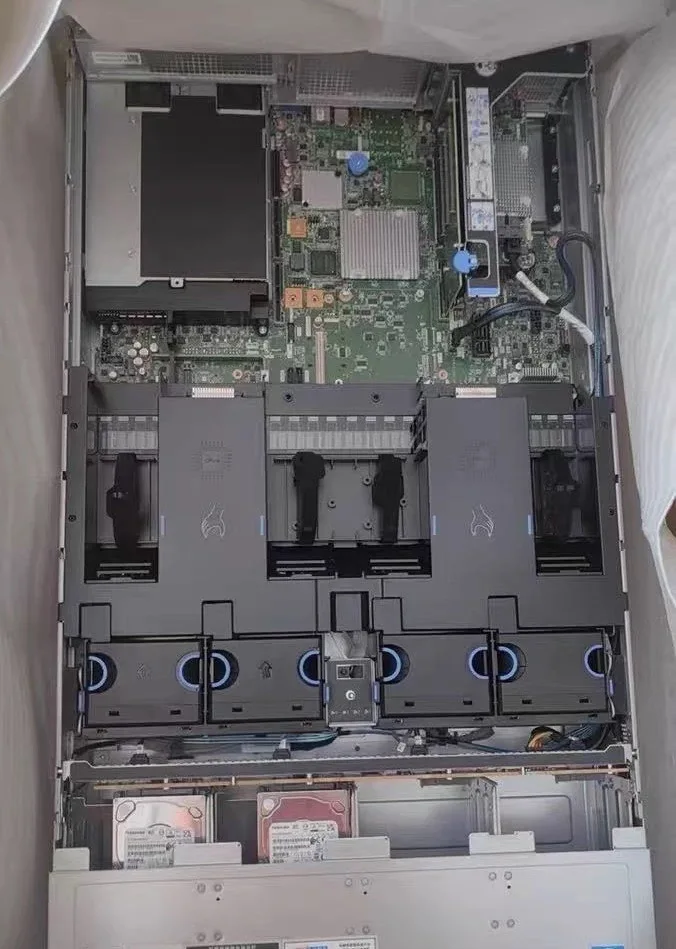
デル PowerEdge R760 / 5418Y*2/ 64 DDR5 *12 /20TSATA*... - 品番: R760...
- 在庫状況:In Stock
- 状態:新品
- 定価:$52,888.00
- 販売価格: $47,888.00
- 節約額 $5,000.00
- 今すぐチャット メールを送信
おすすめ
-
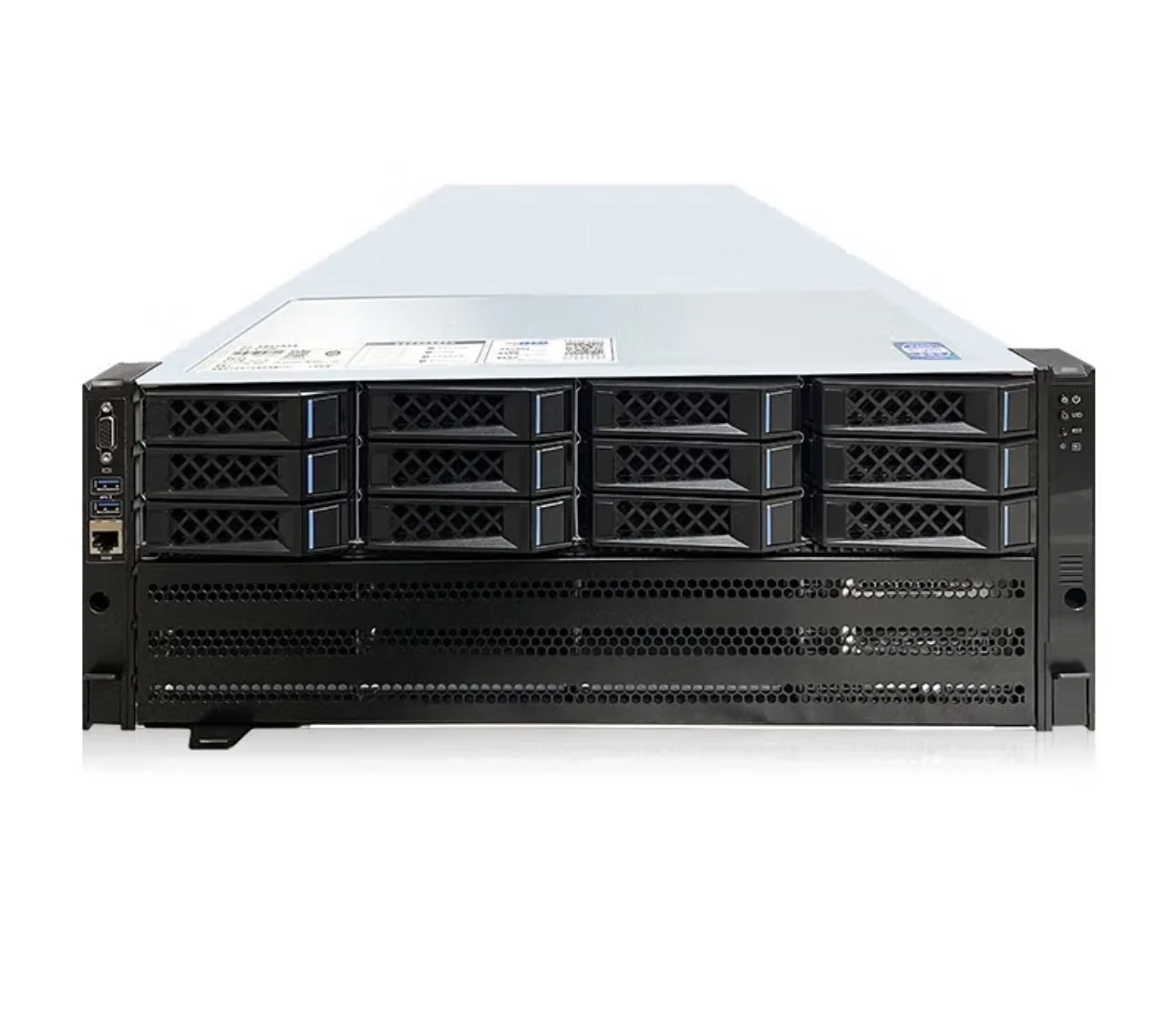
高密度 AI GPU サーバー ソリューション – 8x NVIDIA A800 80GB SXM4... - 品番: xFusion FusionServer...
- 在庫状況:In Stock
- 状態:新品
- 定価:$106,789.00
- 販売価格: $98,165.00
- 節約額 $8,624.00
- 今すぐチャット メールを送信
 おすすめ
おすすめ
-
Inspur NF5468M7 (8*2.5SFF)6530*2/ 16*64TB DDR5 ECC... - 品番: NF5468M7...
- 在庫状況:In Stock
- 状態:新品
- 定価:$95,999.00
- 販売価格: $92,888.00
- 節約額 $3,111.00
- 今すぐチャット メールを送信
-
$53,622.00
XFusion G5500V7
- 評価: 3
-
$85,657.00
Dell PowerEdge R770
- 評価: 4
-
$51,627.00
Dell PowerEdge R770
- 評価: 4
-
$98,165.00
xFusion G5500 V6
- 評価: 4
-
$25,300.00
HPE ProLiant DL380 Gen11
- 評価: 4
-
$98,165.00
xFusion FusionServer G5500 V6
- 評価: 4
-
$92,888.00
NF5468M7
- 評価: 3
-
$1,999.00
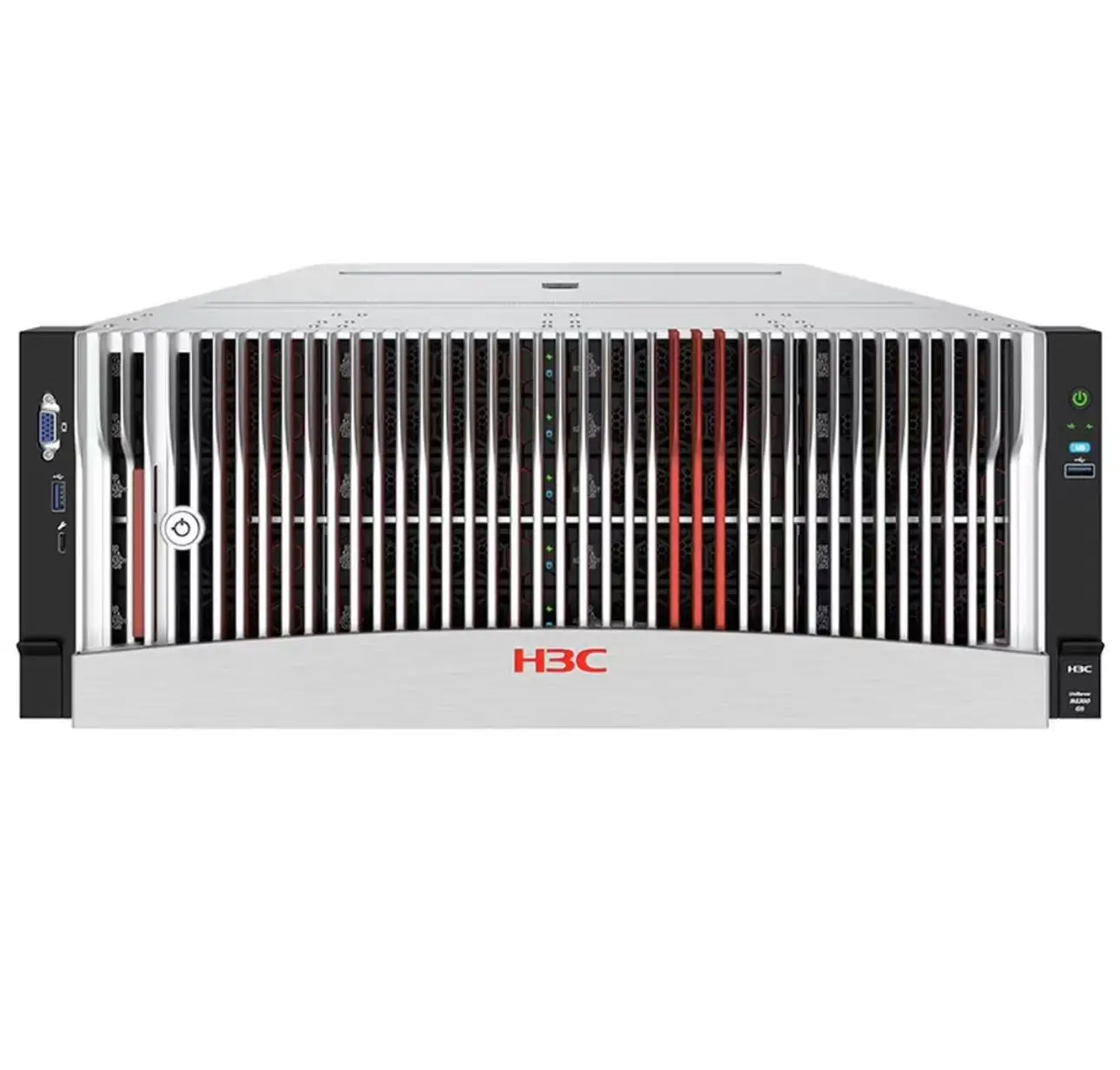
H3C UniServer R4900 G5
- 評価: 4
-
$27,999.00
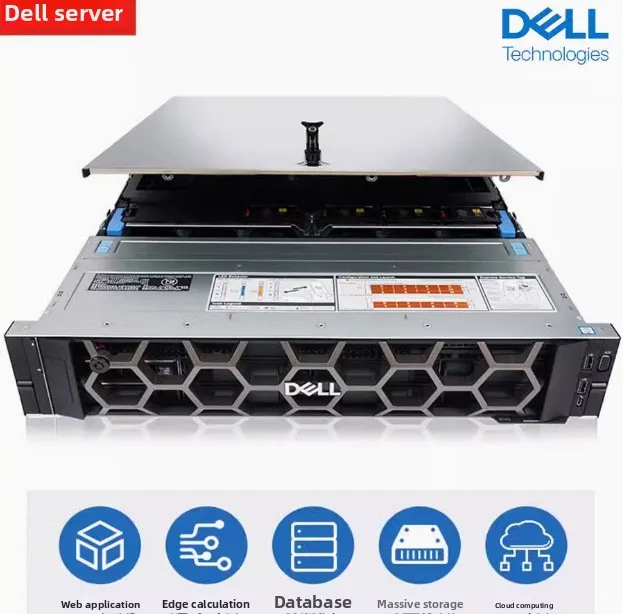
Dell PowerEdge R740XD2
- 評価: 4
-
$2,399.00
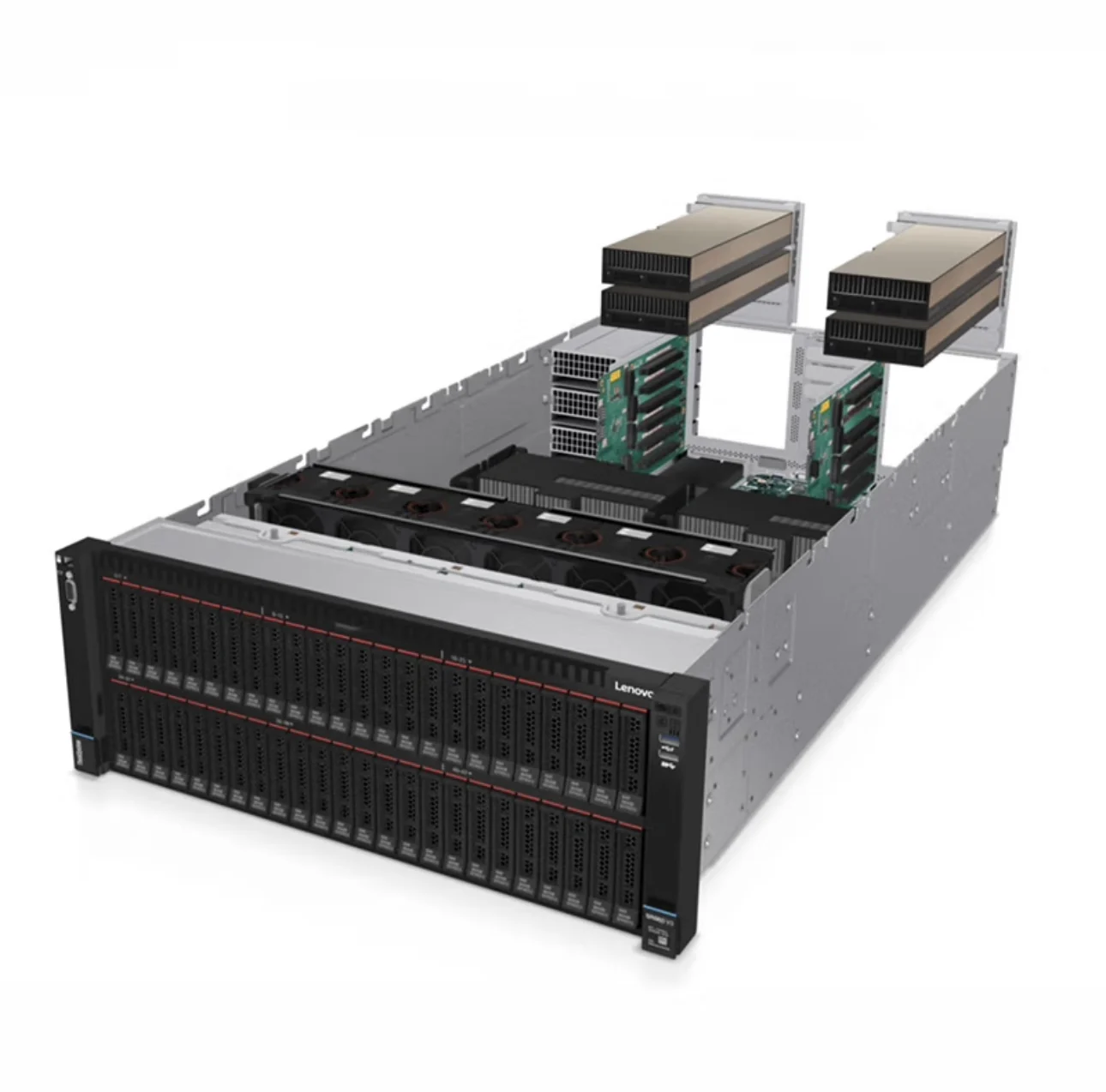
Lenovo ThinkSystem SR630
- 評価: 3
